
This week’s “snowquester” in the Washington, D.C. area ran one helluva successful publicity campaign.
For days, the broadcast and online media were filled with dire warnings of high winds, wet snow, downed wires and power outages. We heeded the calls to action: stocking up on milk, bread and batteries; unearthing the yard-sale snow blower;
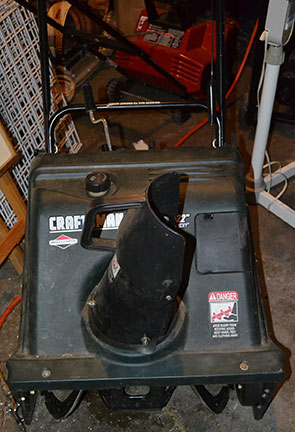
and even charging the hand-cranked flashlight-radio. The impending “weather event” created an enormous amount of buzz, and it was the topic of just about every conversation. The hype was in high gear, and the area snapped to attention.
The components of a successful publicity campaign are well represented in this week’s “snowquester” saga. The storm was portrayed by the media (wide circulation) as a huge, atypical event (uniqueness), and it elicited an immediate (urgency) response (call to action) from a large population (broad audience) who feared the cold and dark (afraid of consequences of inaction).
The storm itself turned out to be pathetically short of substance. The meteorologists called for 10-12″ of snow, but warmer-than-predicted temperatures yielded only an inch or two of slush. It was no “storm of the year,” and the entire region was left with cold slush on their feet and egg on their faces. There’s no need to criticize the weather forecasters who fueled the frenzy, they earned the largest servings of egg.
Well played, Mother Nature.
You must be logged in to post a comment.